.png)
Good work dies in obscurity every day simply because the stories that could carry these solutions to decision-makers aren't getting told widely enough or loudly enough.
Societies have always needed people who can build these kinds of bridges between what we know and what we can do about it. In traditional West African society, these bridge-builders were called griots1.
A griot was a cultural guardian, a political advisor, a historian, an entertainer: in a nutshell, a primary storyteller of their people. A griot was what the English would call a bard, the Greeks an Aesop, the Indians a Bhāt and the Gaelics a seanchaí. Across the world, these characters were trusted by those with the power to make decisions and, as a result, held the keys to influence. One scholar has said that such "bards had the power to make, or unmake kings", so it’s unsurprising that the British removed Bhāts from their positions of authority when they colonised India.
Griots were so respected that they would act as mediators, settling disputes and negotiating peace between hostile parties. They acted as a bridge to peace, information and insight, making way for ideas to be heard. Over the course of centuries, griots would have influenced thousands of decisions.
As Chimamanda Ngozi Adichie shares: "It is impossible to talk about the single story without talking about power... Power is the ability not just to tell the story of another person, but to make it the definitive story of that person."
For centuries, griots were often born into long lines of families, so storytelling was locked into bloodlines. More recently, media brands and commercial organisations bought their way in with deep pockets for advertising campaigns, drowning out millions of other voices. Today’s open platforms promise democratisation, but just because everyone has a voice doesn’t mean everyone is heard.
The world is catching on. Storyteller job postings have doubled in the past year, with organisations growing teams that sit somewhere between marketing, communications and strategy. Google wants storytellers for “customer acquisition and long-term growth.” Microsoft is seeking narrative experts for its security division. Too often this isn’t about bridging evidence to impact, but is instead about connecting products to greater profits. But what does this role look like when we move away from connecting products to greater profits, and instead think about bridging evidence to impact?
A modern-day griot in the world of innovation is someone who tells the stories of why innovative solutions matter, connecting ideas to human experiences and making the abstract tangible enough to inspire action.
Niti Bhan is one of today’s griots. A researcher and innovation strategist who works on human-centered design for emerging markets, she captures the stories of people in the informal economies of Africa and Asia. Through her blog and her work with platforms like the Emerging Futures Lab, she has documented how street vendors in Nairobi adapt mobile technology to manage finances, or how rural farmers in India innovate with limited resources to solve agricultural challenges. Her TED Talk is an entry point to these innovations for audiences who would never encounter them otherwise.
Niti Bhan helps funders, policymakers, and innovators understand the context of their work on a deeper level through framing data and insights within compelling stories. This storytelling approach ensures that innovations are rooted in lived experiences, making them more effective and equitable. She carries forward the griot tradition of memory, meaning and imagination.
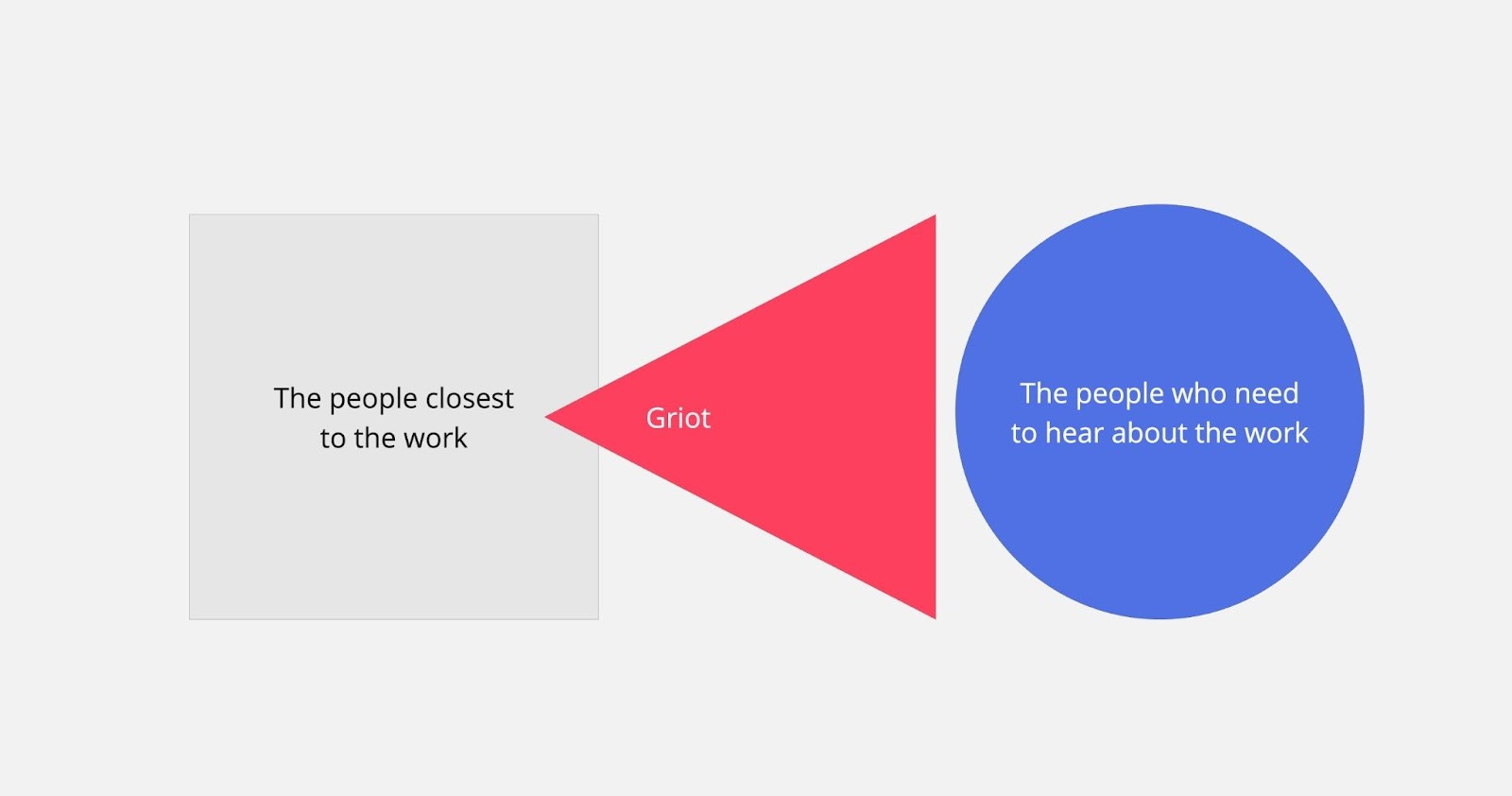
Many organisations prioritise data over narrative, even though research shows that stories are what really move hearts and minds to action. This shapes everything downstream: innovators, while passionate and knowledgeable, rarely see themselves as storytellers or have the support to develop those skills. Studies on science communication reveal how wide this gap can be between technical expertise and narrative craft.
Without access to storytelling expertise or communities of practice, important work often struggles to get the attention and resources it needs to thrive. The evidence exists and the solutions work, but the bridges remain unbuilt.
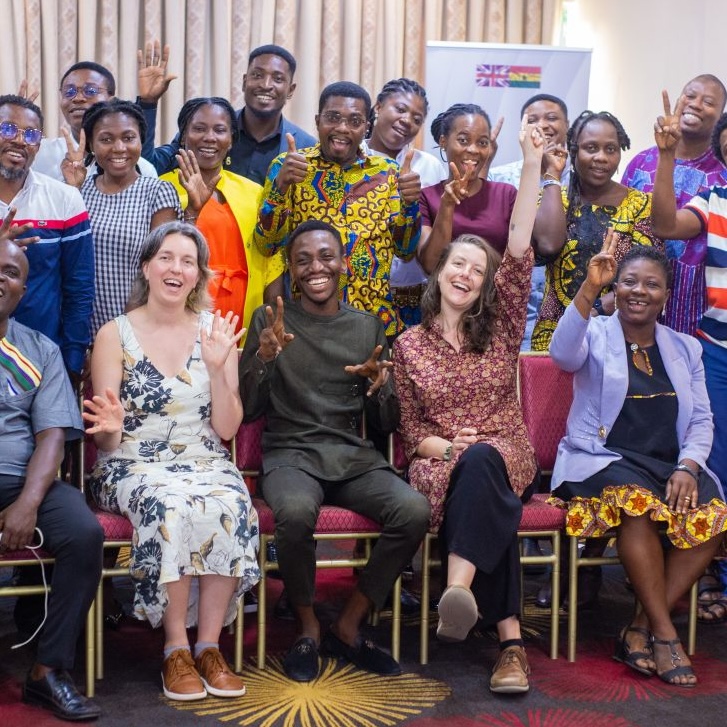
Over the past five years Brink has worked to close that gap, taking cohorts of ventures, civil servants, journalists, innovators and scientists through engagements that build their confidence, skills and ability to experiment with new storytelling approaches. We’ve seen technologists paint murals to convey flood-risk data in Nepal, doctors destigmatising perceptions around sexual and reproductive health, and innovators come front and center in the push to build equitable access to medical oxygen.

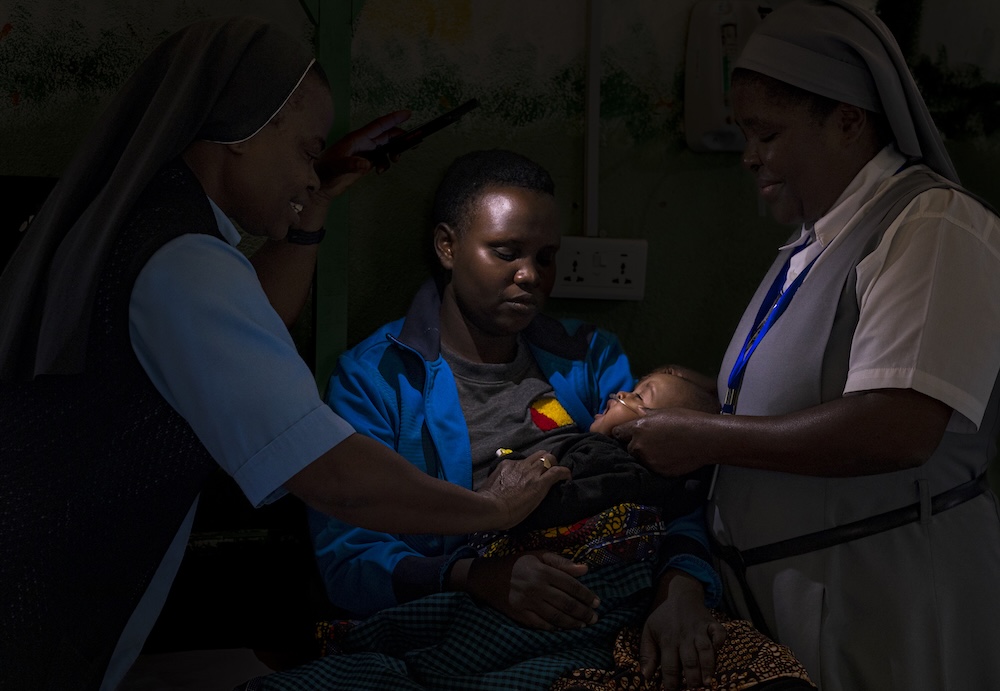
We want to level the playing field on which people's voices are raised and create environments where innovators are equipped to build their own bridges between evidence and the audiences who need to hear it. While brands pour resources into storytellers who serve profit, those working on climate solutions, health innovations, and critical narrative shifts need access the same storytelling infrastructure.
Can we reawaken this ancient practice of meaning-making, or will we continue letting good work die in silence?
1. The word griot itself isn’t West African in origin. It sounds French because it is: early French visitors used guiriot for the storytellers and advisers they met, a term that later shifted into griot. Some even link it to the Portuguese criado. Whatever its path, the word is a European label for a role that already had deep local names, such as jeli, géwél, gawlo. However, griot has become a useful shorthand for the kind of storyteller who shapes a community’s memory and meaning.